
Published by ConsolMax Digital Marketing Agency | Authoritative SEO & Growth Strategy Guide
Every single day, billions of potential customers turn to search engines to find products, services, solutions, and
answers. Whether someone is searching for a local law firm, a reliable commercial plumber, or an enterprise cloud
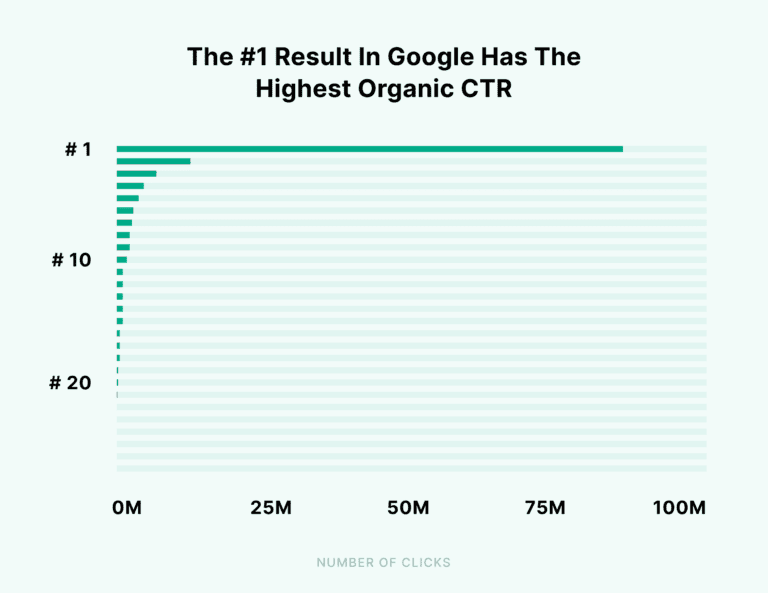
solution, their buyer journey almost universally begins in the search bar. If your business does not appear at the top
of those search results, you are effectively invisible to your most qualified prospects.
In 2026, online visibility is no longer a luxury reserved for multi-million-dollar corporations; it is the foundational
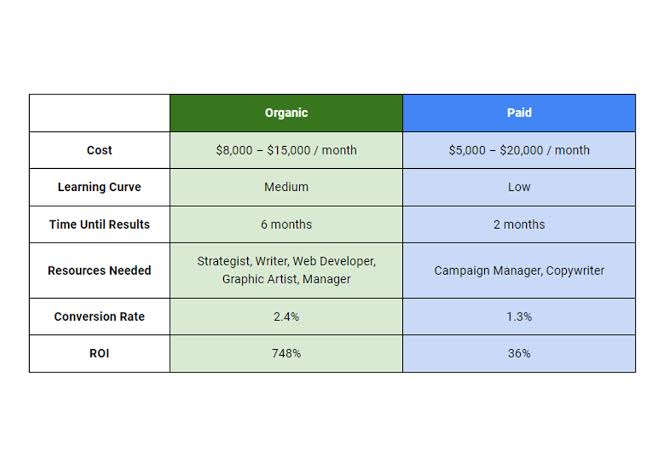
baseline for commercial survival. While paid advertising can deliver immediate short-term spikes in traffic, it acts as
a continuous expense that stops yielding results the moment your budget runs out. Search engine optimization, on
the other hand, builds a permanent digital asset that compounds in value over time.
Understanding why SEO is important allows business owners, marketing managers, and entrepreneurs to shift
from reactive marketing to sustainable, predictable customer acquisition. In this comprehensive guide, we will break
down how modern search algorithms work, how strategic optimization fuels long-term profitability, and how
partnering with Digital Marketing Services can transform your digital strategy.
Featured Snippet Overview: SEO is important because it connects your business directly with high-intent
buyers actively searching for your products or services on search engines like Google. Unlike traditional
outbound advertising, search engine optimization captures organic traffic without requiring continuous per-
click ad spend. High rankings build consumer trust, establish industry authority, improve overall website
usability, and provide a sustainable source of qualified leads that fuel long-term revenue growth.
Search Engine Optimization (SEO) is the strategic process of enhancing a website’s technical architecture, content
quality, and online authority to increase its visibility in organic search engine results. Rather than paying for
sponsored positioning, SEO focuses on earning prominent placement through relevance, quality, and technical
excellence.
When a user inputs a query into Google Search, advanced algorithms analyze millions of web pages within
milliseconds to deliver the most accurate, helpful, and trustworthy information. Modern search engine optimization
aligns your website with these complex algorithmic evaluations, ensuring that search engines recognize your
content as the definitive answer to the user’s intent.
Effective optimization encompasses several interconnected disciplines:
Content Creation & Alignment: Producing helpful, thorough, and engaging content that directly satisfies user
intent.
Why SEO Is Important for Business Growth in 2026
The digital marketplace has matured significantly. Consumers are more informed, discerning, and skeptical of
intrusive advertising than ever before. To capture market share, businesses must meet prospective clients at the
precise moment of intent. Here is why SEO stands as the cornerstone of business growth:
A. Capturing High-Intent Search Visibility
Traditional advertising methods—such as billboards, print media, or intrusive social ads—push messages onto
audiences who may or may not be interested in your offer. SEO operates on an inbound model. When a user
searches for a commercial phrase like “best corporate law firm near me” or “enterprise logistics software,” they are
already deep in the buying funnel. Appearing in top organic positions captures these high-intent buyers at the exact
moment they are ready to make a decision.
B. Building Long-Term ROI and Sustainable Assets
While digital ad channels like Google Ads and Meta Ads Management provide valuable immediate traction, they
represent a recurring cost structure. When your ad spend pauses, your lead pipeline immediately dries up. SEO
represents an equity-building investment. Content assets optimized today continue to attract qualified organic traffic
for months and years to come, dramatically reducing your long-term customer acquisition costs (CAC).
C. Adapting to AI-Driven Search and Zero-Click Queries
As Google continues to integrate artificial intelligence and generative summaries into search results, visibility
requirements have escalated. Search engines prioritize websites that demonstrate deep topical expertise, original
research, and high authoritativeness. Modern technical and content optimization ensures that your brand remains
prominent in both traditional organic listings and modern AI summary features.
A. On-Page SEO
On-Page SEO involves optimizing the individual elements directly on your web pages to make them understandable
and relevant to both users and search engines.
Keyword Optimization: Placing primary and secondary phrases naturally in titles, headings, and body
paragraphs.
Title Tags & Meta Descriptions: Crafting compelling snippet text to maximize click-through rates (CTR).
Content Architecture: Structuring content using clean H1, H2, H3 heading tags for readability.
Internal Linking: Connecting relevant articles and service pages to distribute page authority effectively.
B. Off-Page SEO
Off-Page SEO focuses on building external signals and authority outside of your immediate website domain.
High-Quality Link Building: Acquiring authoritative backlinks from trusted industry publishers.
Brand Mentions & PR: Securing coverage in news outlets, podcasts, and digital trade journals.
Social Signals & Distribution: Promoting content across channels, supported by Social Media Marketing.
C. Technical SEO
Technical SEO ensures that search engines can effortlessly crawl, index, and render your website pages without
technical friction.
Site Speed Optimization: Eliminating bloated code and uncompressed media to maximize page loading
speeds.
Mobile Responsiveness: Ensuring flawless layout and functionality across smartphones and tablets.
XML Sitemaps & Robots.txt: Guiding search engines to critical pages and blocking unneeded directories.
Core Web Vitals: Meeting Google’s performance standards for visual stability, interactivity, and load times.
D. Local SEO
Local SEO targets geographically specific search queries, driving foot traffic and local service calls directly to your
business location.
Google Business Profile Optimization: Managing and refining your listing on Google Business Profile.
NAP Consistency: Maintaining consistent Name, Address, and Phone number details across directory listings.
Local Review Management: Generating and responding to authentic customer reviews.
Q1: How long does it take to see tangible results from SEO?
SEO is a strategic long-term growth engine. While initial technical fixes can yield improvements in 30 to 60 days,
significant compound rankings, organic traffic growth, and lead acceleration typically emerge within 4 to 6 months of
consistent execution.
Q2: Why is SEO better than relying solely on paid ads?
Paid advertising provides instant visibility, but requires continuous funding. Once ad spend halts, lead flow stops
immediately. SEO creates long-term digital equity; optimized content continues generating qualified organic traffic
and sales leads indefinitely at a significantly lower cost per lead over time.
Q3: What is the primary difference between On-Page and Off-Page SEO?
On-Page SEO focuses on elements you directly control on your website, such as meta tags, content quality, heading
structures, and internal links. Off-Page SEO involves external authority signals, including acquiring high-quality
backlinks from reputable sites, digital PR, and social presence.
Q4: Does my small business really need Local SEO?
Yes, absolutely. Local SEO targets customers in your immediate geographic region. Over 46% of all Google
searches have local intent. Optimizing your Google Business Profile and local citations ensures that nearby
customers find your business first when searching for local services.
Q5: How often does Google update its search algorithms?
Google updates its ranking algorithms thousands of times per year, with several major “Core Updates” occurring
annually. Working with professional SEO specialists ensures your website remains compliant with the latest
guideline shifts without losing rank.
Q6: Can I perform SEO for my website myself?
While basic SEO steps can be managed internally, executing a comprehensive strategy encompassing technical
audits, competitive link acquisition, deep keyword mapping, and ongoing algorithm adaptation requires specialized
expertise, dedicated tools, and significant time investment.